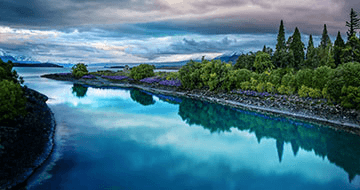
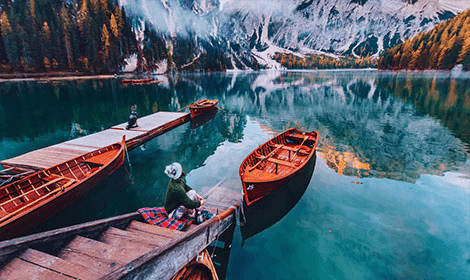
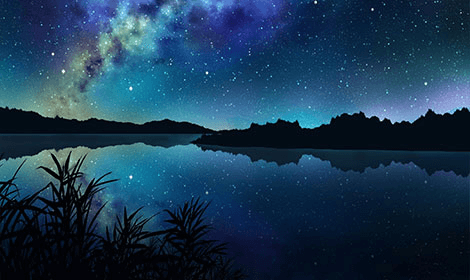
River is a natural watercourse on the Earth's surface, formed by precipitation and melting snow, flowing towards the ocean, a lake, or another river, providing a source of water for organisms and shaping the landscape.

Rivers are water bodies flowing on the Earth's surface, formed by precipitation and groundwater, and they flow towards the ocean, lakes, or other rivers.
They play crucial roles in ecosystems, providing water for plants and animals, while also serving as vital resources for humans, including irrigation, drinking water, and energy.

Moreover, rivers influence Earth's topography and climate, shaping landscapes and ecological environments in various regions.
2024
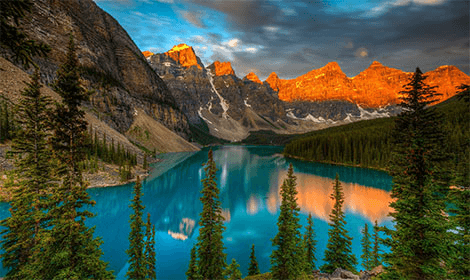
Rivers in mountainous regions originate from melting snow or rainfall in high altitudes, traversing through gorges and rugged terrain, forming clear and swiftly flowing streams, providing valuable water resources for mountain ecosystems.
Polar rivers flow through icy landscapes, often originating from melting glaciers or ice sheets, and play a crucial role in transporting freshwater and nutrients to polar regions, influencing local ecosystems and climate dynamics.
Plain rivers originate from mountainous or highland areas, flowing slowly through flat terrains, often forming wide channels, providing crucial irrigation water for surrounding agriculture and ecosystems, and facilitating local transportation and economic development.